

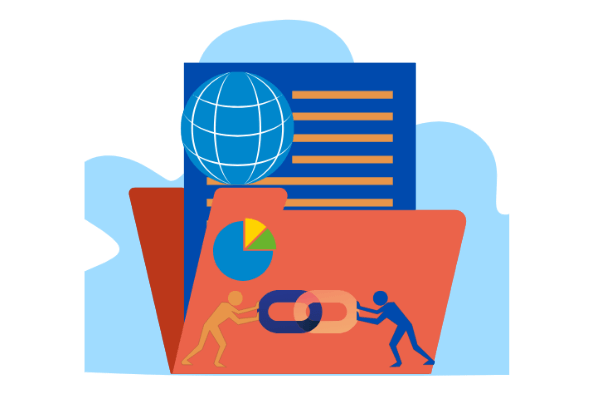
Most site owners look at backlinks as ranking signals and nothing more. They count them, score them, and move on. That approach misses one of the most valuable uses of link data.
Every link pointing to your site was placed by a real person or organization. Each one represents a decision to reference your work. When you check incoming links with that in mind, your backlink report becomes a map of potential partners.
Some of those linking sites already trust you. Others share your audience or serve a closely related niche. Many would welcome a deeper relationship if someone simply reached out.
This guide explains how to check incoming links for partnership potential and evaluate prospects. It also covers turning single links into lasting collaborations. Finally, it shows how Relevant Links helps SEO professionals build these relationships within a vetted community.
Why Incoming Links Are a Relationship Map
A backlink is a public endorsement. The linking site chose to send its readers to you. That choice reveals something about how it views your content, products, or expertise.
Taken together, your incoming links show who already values what you do. They highlight industries that reference you, publications that cite you, and businesses that recommend you. Few other data sources reveal existing goodwill so clearly.
This is why partnership building often starts with your own link profile. Cold outreach to strangers is slow and uncertain. Warm outreach to sites that already link to you converts far more often.
Who Is Already Linking to You
When you check incoming links, you will usually find several distinct groups. Each group offers different partnership possibilities.
Customers and clients sometimes link to vendors they trust. Suppliers and service providers may list you as a client or case study. Industry associations and local organizations often maintain member directories and resource lists.
Bloggers and independent writers may cite your guides or data. News outlets and trade publications might reference your company in coverage. Educational sites sometimes link to helpful tools or tutorials.
Complementary businesses round out the list. These are companies serving the same audience without competing directly. A web design firm and a copywriting agency are a classic example. Links between them often signal natural referral potential.
How to Check Incoming Links the Right Way
Start with a reliable data source. Google Search Console shows links Google has discovered to your site. Third-party backlink tools add authority scores, traffic estimates, and historical data.
Export your referring domains rather than every individual link. Domain level lists are easier to review and reveal which organizations link to you, not just how many times. Combine exports from more than one source when possible to capture links any single tool might miss.
Clean the list before you analyze it. Remove obvious spam, scraper sites, and automated directories. Those links rarely represent real people who could become partners.
Finally, schedule this work regularly. When you check incoming links every month, you catch new linkers while the connection is still fresh. A recent link is the perfect reason to start a conversation.
Sorting Links by Relationship Potential
Not every linking site makes a good partner. Sorting your list helps you focus on the strongest opportunities first.
Create simple categories based on the groups above. Add a column for topical relevance, rating each site as high, medium, or low. Note whether the site appears active, with recent posts and clear contact information.
Next, look at how each site links to you. A contextual link inside an article signals genuine interest. A link buried in a footer or a long directory list suggests a weaker relationship.
Prioritize sites that score well across all three areas. Relevant, active sites with editorial links are usually the warmest partnership prospects in your profile.
Signals That Point to a Strong Partner
Several clues reveal which linking sites deserve outreach. Audience overlap is the first. If their readers would benefit from your content, a partnership can create value on both sides.
Repeat links are another strong signal. A site that links to you from several pages clearly finds your work useful. That pattern often reflects an author or editor who already knows your brand.
Organic traffic matters too. A site with steady search visitors can introduce you to a real audience. Traffic also suggests the site is healthy and trusted by search engines.
Shared values and quality standards complete the picture. Look for sites that publish thoughtful, accurate content. Partners with strong reputations reinforce your own credibility.
Reading Anchor Text for Relationship Clues
Anchor text offers subtle hints about how others view your brand. When you check incoming links, look closely at the words each site uses to describe you.
Branded anchors suggest the linker knows your company by name. Descriptive anchors that reference a specific service or topic show what they associate with your expertise. That insight helps you tailor outreach around what they already value.
Generic anchors like click here or this resource still matter. They often appear in helpful roundups or tutorials. Writers who build those pages tend to update them regularly and welcome new suggestions.
Spotting Mentions Without Links
Incoming links are only part of the story. Many organizations mention your brand without linking to you at all. These unlinked mentions represent people who already know your name.
Brand monitoring tools and simple search queries can surface these mentions. Search for your company name, product names, and key team members. Exclude your own domain to see what others are saying.
An unlinked mention offers a natural opening. A friendly note thanking the author and suggesting a link often succeeds. That first exchange can also lead to broader collaboration.
Building Your First Outreach List
Start small. Choose ten to fifteen linking sites from your highest priority group. A focused list lets you personalize every message and track each response carefully.
Research each prospect before reaching out. Read a few recent articles, note the author or editor, and identify topics where your expertise fits. That preparation makes your first message feel thoughtful rather than automated.
Once the first round is complete, review what worked. Note which types of sites replied and which messages earned positive responses. Use those lessons to refine the next batch.
Turning a Link Into a Conversation
Outreach to existing linkers should feel personal, not transactional. Start by thanking them for the link. Mention the specific page and explain why you appreciated the reference.
Keep the first message short. Avoid asking for anything large right away. A simple thank you builds goodwill and invites a reply.
If the conversation continues, explore shared goals. Ask what topics their audience cares about. Suggest ways your expertise might support their content or customers.
The goal is mutual benefit. Partnerships that help both sides tend to last. One sided requests rarely do.
Common Outreach Mistakes to Avoid
Even warm prospects can go cold with the wrong approach. Generic templates are the most common problem. Partners can tell when a message was sent to hundreds of people.
Asking for too much too soon causes trouble as well. Requesting multiple links, paid placements, or major projects in a first email rarely works. Start small and let trust grow.
Poor timing hurts results too. Reaching out years after a link appeared feels random. Monthly reviews let you contact linkers while the connection still feels relevant.
Finally, skipping follow up wastes good opportunities. Busy editors miss messages. One polite reminder a week or two later often earns the reply you were hoping for.
Partnership Formats Worth Exploring
Once a relationship forms, many collaboration options open up. Co-created content is a popular choice. Joint guides, research reports, and case studies combine expertise and reach two audiences at once.
Guest contributions work well between complementary sites. Each partner shares knowledge with the other’s readers, creating natural, relevant links in the process.
Webinars, podcasts, and live events offer another path. These formats build brand visibility and often generate links from event pages and recaps.
Referral arrangements suit businesses serving the same customers. A shared resource page or recommended partners list can drive both traffic and leads.
Local partnerships deserve attention as well. Sponsoring community events or collaborating with nearby businesses creates links with strong geographic relevance.
Using Competitor Links to Expand the Map
Your own profile is a starting point, not the full map. When you check incoming links for competitors, you uncover even more potential partners.
Sites linking to several competitors but not to you are especially valuable. They already cover your topic and value similar content. A thoughtful introduction can earn both a link and a relationship.
Look for patterns in these gaps. Industry publications, resource pages, and associations often appear repeatedly. Each one represents an organization with clear interest in your space.
Approach these prospects with something specific to offer. Point to a resource that fills a gap on their site or adds fresh insight for their readers.
Avoiding Partnerships That Hurt SEO
Partnerships should strengthen your profile, not put it at risk. Google warns against link schemes, including excessive link exchanges designed only to manipulate rankings.
The difference lies in intent and relevance. Links that serve readers and connect related content are natural. Large networks of reciprocal links between unrelated sites look manipulative.
Keep collaborations focused on genuine value. Link where it helps the reader. Use appropriate attributes for sponsored or paid placements. Avoid any arrangement that exists purely to trade links at scale.
Tracking Partnerships Over Time
Treat partnerships as ongoing relationships. A simple spreadsheet or CRM can record each contact, conversation, and collaboration.
Note the links each partnership produces and the traffic they send. Track how those links affect your referring domains and topical authority.
Return to your link data regularly. When you check incoming links each month, look for new links from existing partners. Growing activity signals a healthy relationship worth deeper investment.
Revisit quiet partners occasionally. A brief update or new resource can restart a stalled connection.
How Relevant Links Builds Partnerships at Scale
Finding partners one by one works, but it takes time. Relevant Links speeds up the process without sacrificing quality.
Relevant Links is a free, community based link building platform that connects SEO professionals who want relevant backlinks. Every member joins a vetted community, so potential partners are screened for quality and topical fit.
The platform includes an automated plugin and an SEO dashboard. These tools make it easier to place, manage, and track links with partners in related niches. You spend less time on manual outreach and more time building meaningful connections.
Pairing your link analysis with Relevant Links creates a powerful system. You check incoming links to find warm prospects in your existing profile. Relevant Links expands that network with vetted professionals who share your commitment to relevance.
Because the community values quality over volume, the relationships formed there support sustainable SEO. Links stay relevant. Partners stay engaged. Authority grows steadily over time.
Your Backlinks Are a Network Waiting to Grow
Backlink data reveals far more than rankings. It shows who already trusts your work and who could become a long term partner.
Check incoming links regularly, sort them by relevance and engagement, and reach out with genuine value. Explore collaboration formats that benefit both sides. Keep every partnership focused on readers rather than rankings alone.
Ready to grow your network of relevant partners? Join Relevant Links today and connect with a vetted community of SEO professionals building quality backlinks together.
Visit our website at www.relevantlinks.io today to learn more!